Beyond the Signal: The Creative Tech Keeping Massive Live Events Connected
A look under the hood at the engineering that turns crowded, high-stress venues into rock-solid digital networks - bonded backbones, smart traffic control, real-time monitoring, and broadcast-grade uplinks.
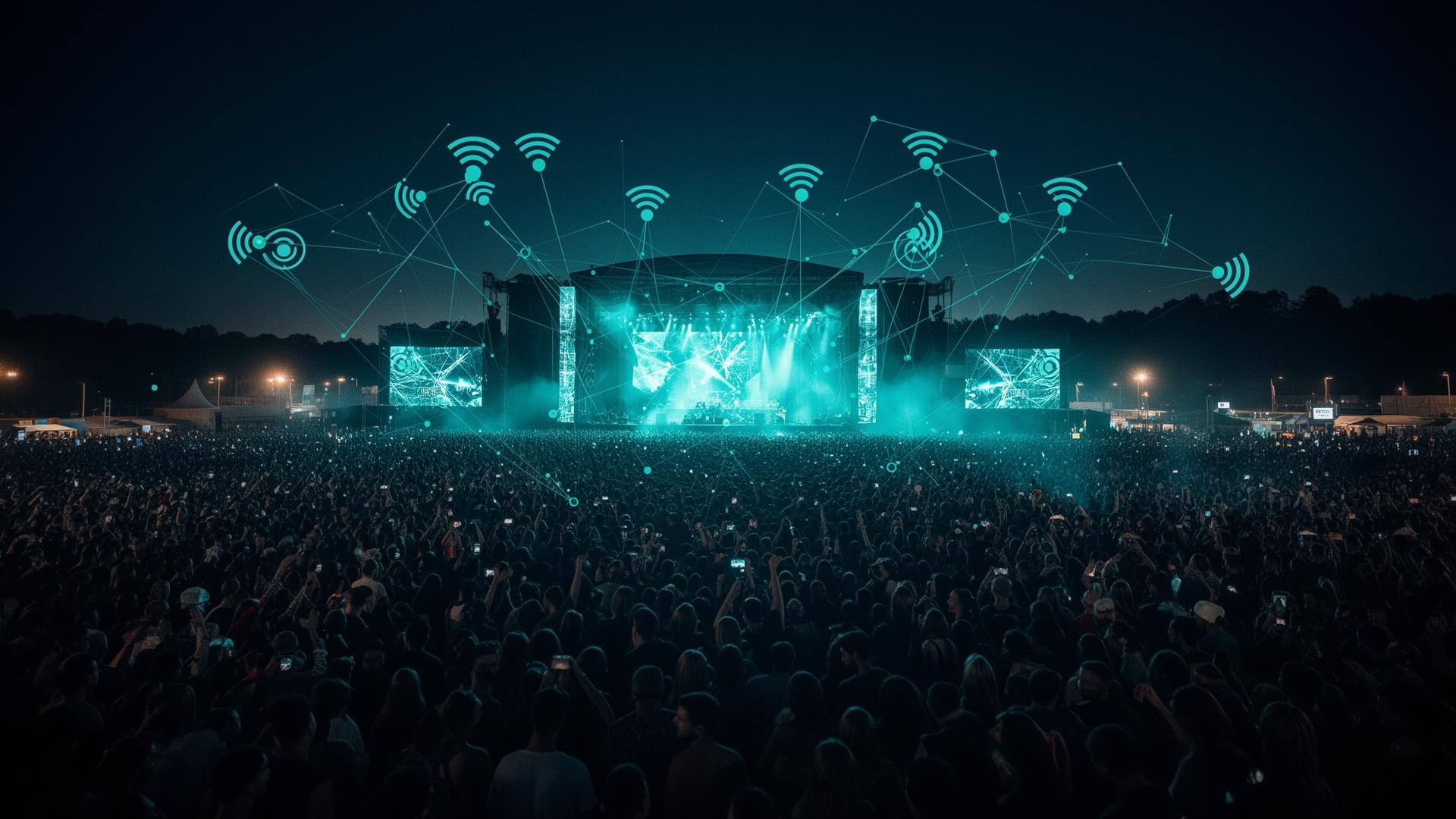
Let's be real for a second. Good Wi-Fi at a major event isn't just a nice-to-have bonus anymore. It is completely essential. Think about it: whether you are running an international business conference, a packed music festival, or a massive product launch, literally everyone in the building is depending on that connection. Attendees are trying to upload videos, vendors have to process card payments, and your production crew needs to stay in sync.
When the internet drops, everything grinds to a sudden halt. That is why behind the scenes of any successful event, there is usually some heavy-duty engineering keeping things online.
Let's take a look under the hood at the technology that transforms crowded, high-stress venues into rock-solid digital networks. We will be breaking down the exact systems used by Zen Telecoms, a company that specializes in temporary infrastructure and high-performance network design for events of any scale.
The Bonded Backbone (Fast Setup, Mixed Connections)
Standard internet connections usually depend on one single line. If someone accidentally trips over that cord or if the local network gets overloaded, everything goes dark. To stop this from happening, event networks use something called a bonded backbone architecture. Instead of relying on just one source, engineers bundle a few completely different types of internet into one massive, super-fast stream.
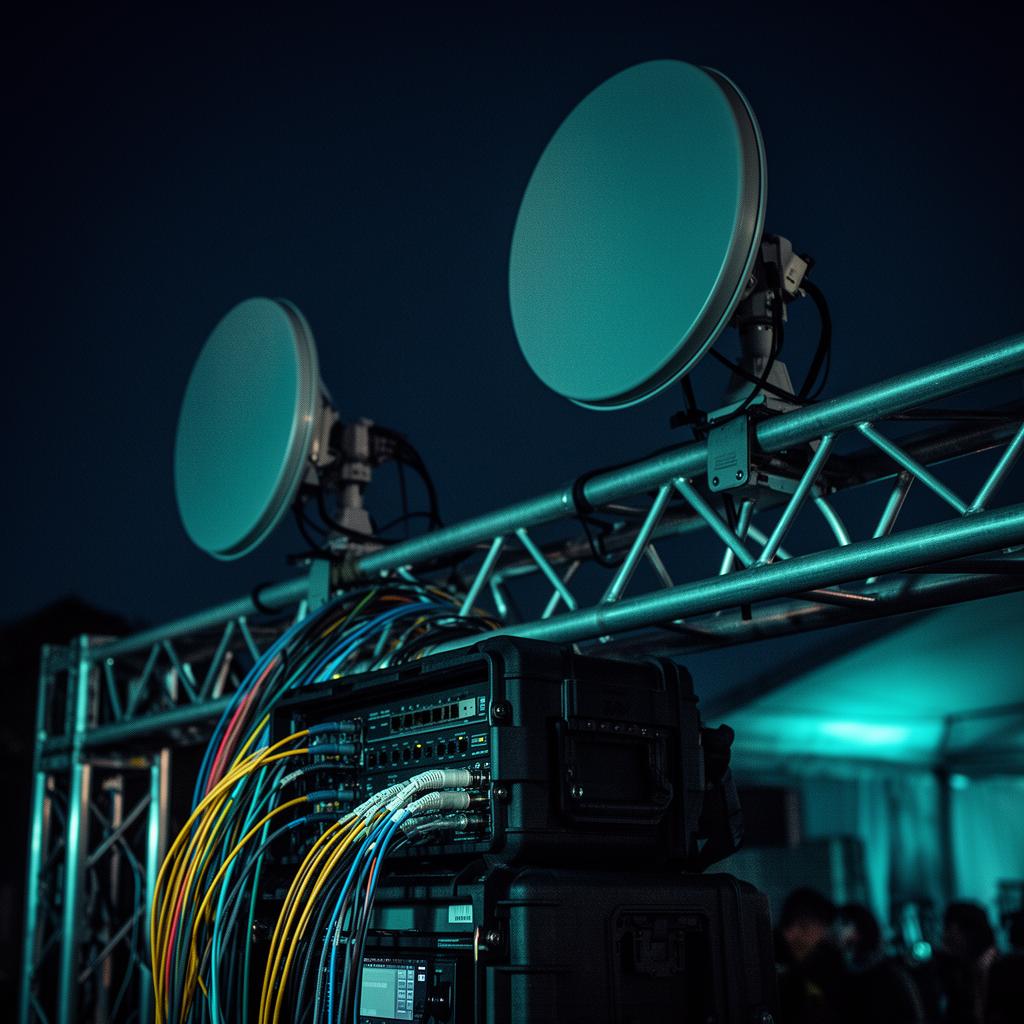
- Tactical Fiber: This gets run directly to the venue to handle the heavy lifting with stable, ultra-fast baseline speeds.
- Point-to-Point Microwave Links: These are high-frequency, line-of-sight wireless connections beamed in from nearby towers, which completely bypasses standard ground lines.
- Cellular Bonding (LTE and 5G): This combines multiple mobile networks at the exact same time so they can share the load.
By linking all of these options together, the entire network can be deployed and go live in just a few hours. It gives teams a bulletproof setup that can easily scale to handle well over 100,000 people using data at the exact same moment. This is the kind of temporary infrastructure we deploy on every job.
Built-In Stability and Smart Traffic Control
An event network has to be incredibly intelligent about how it shares data. If an attendee decides to download a massive file, you cannot let that interfere with a live video broadcast or the front gate scanners. To fix this, teams use VLAN (Virtual Local Area Network) segmentation and clever bandwidth shaping. Think of it like turning a single highway into a set of dedicated, highly secure express lanes.
- Production and Crew: A completely prioritized lane strictly for stage management, lighting, and sound crews.
- POS and Ticketing: An isolated, ultra-secure lane just for ticket scanners and food vendors so payments go through instantly and queues stay short. See our POS & ticketing networks.
- Guests and Media: Public Wi-Fi zones configured with custom log-in pages and fair caps so every single person gets a reliable piece of the pie.
Because this setup uses redundant mesh layouts and automated backup systems, it keeps data running smoothly with a packet loss rate under 0.01 percent. Even if one link completely drops out, the system automatically redirects the traffic in milliseconds, meaning your attendees won't notice a thing.
Real-Time Tracking and the Network Operations Center
You simply can't manage a network if you are flying blind. Behind the scenes of a smooth event is a layer of software tracking every bit of data in real time.
Senior engineers rely on a central dashboard called the NOC (Network Operations Center) to get live telemetry updates. They track every single access point, network switch, and hardware link 24/7. This proactive strategy is the backbone of our 24/7 on-site engineering, letting on-site and remote teams spot wireless interference, balance heavy user traffic, and fix potential issues long before anyone in the crowd experiences a lag.
Low-Latency, Broadcast-Grade Uplinks
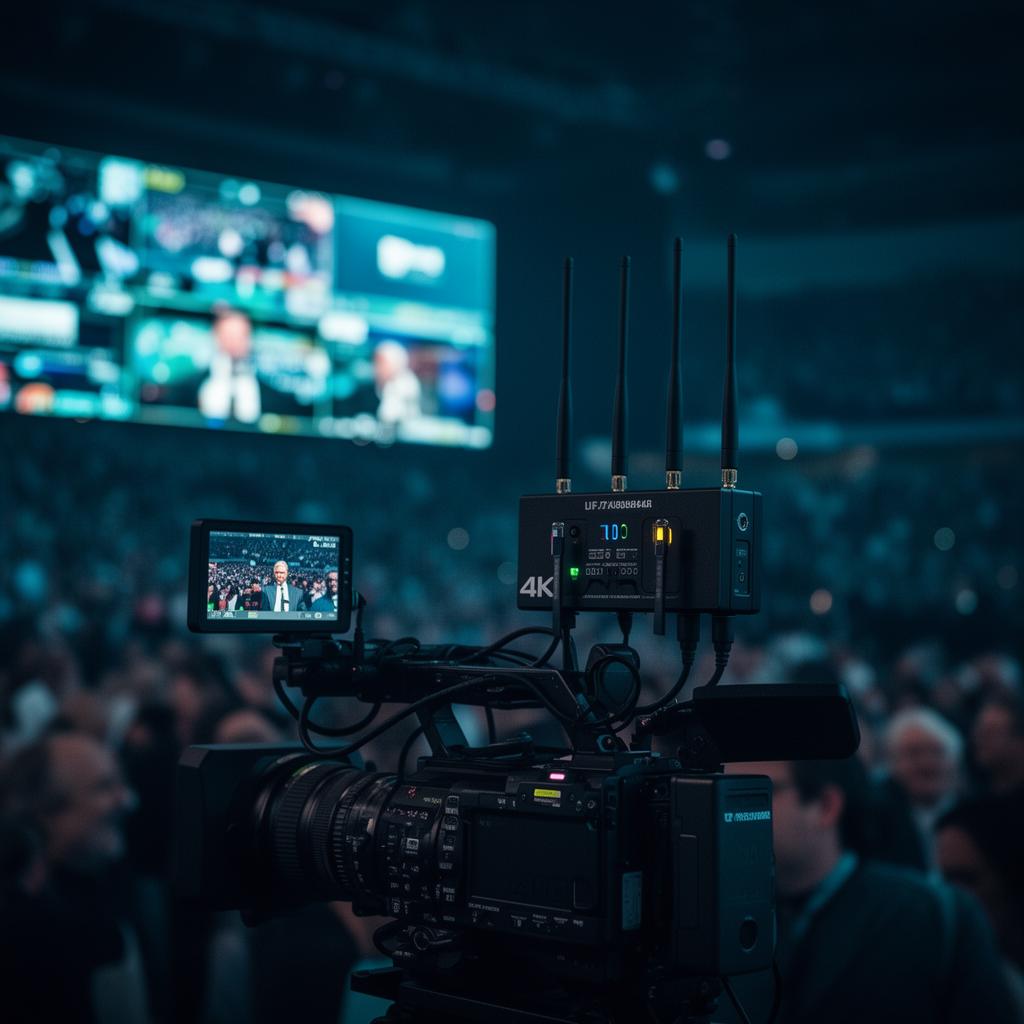
If you are broadcasting your event live to an online audience around the world, standard internet just won't cut it. Professional, broadcast-grade uplinks leverage multi-carrier bonding to guarantee a totally resilient upload feed. This technology makes sure that crisp 4K video feeds maintain incredibly low latency with zero buffering, even if local cell towers are completely overloaded by the physical crowd nearby.
The Network Nobody Notices
The funny thing about a great live event network is that when it is working perfectly, nobody actually talks about it. When ticket scanners flash green immediately, the live stream looks gorgeous, and everyone connects effortlessly, it means the hardware is doing its job seamlessly in the background. Having one reliable partner handle everything from running the physical fiber cables to launching the final stream makes an absolute world of difference.
Ready to Guarantee Zero Downtime for Your Next Big Gig?
Your production crew should be focusing entirely on putting on an amazing show, not anxiously checking the signal bars on their phones. The team at Zen Telecoms specializes in building completely tailored, zero-downtime event networks built specifically around your dates, venue layout, and expected data load. They handle full-scale event Wi-Fi, point-to-point microwave connections, secure payment lanes, and 24/7 on-site support with senior engineers embedded right alongside your crew. Don't leave your event connectivity to chance.
Contact the Team